Career Path
From first lesson to final flight.
The whole journey in one place — every licence, rating and stage of an airline career, and how one stage leads to the next.
01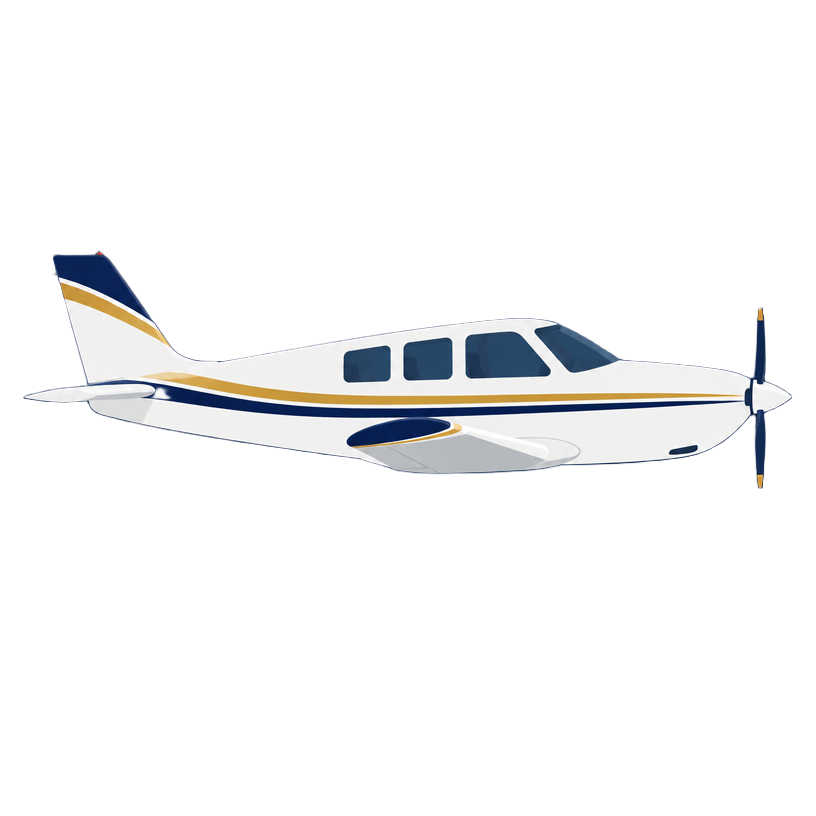
The private pilot licence
For most airline pilots this is where it all started. The private licence teaches you to fly for yourself — handling, navigation, radio and the basics of air law — and it tells you something no aptitude test can: whether you love flying enough to build a life on it. It is also the foundation every later licence sits on.
02
Building hours and theory
Between the private licence and a professional one comes experience. Commercial and airline roles require minimum flying hours, so pilots build time as safety pilots, instructors, glider tug pilots or by flying for themselves. In parallel comes professional theory training — often called ATPL theory — which supports the commercial licence, the instrument rating and later the airline transport licence itself.
03
The commercial licence, instrument and multi-engine ratings
The commercial licence is what lets you be paid to fly. Airlines also want an instrument rating — the ability to fly in cloud and on instruments — and multi-engine experience, so these usually sit alongside it or come straight after. Together they open paid flying of every kind: instructing, charter, aerial work, freight and, eventually, airlines.
04
The first airline job
For many pilots the hardest step of all. Airlines hire through selection processes that test flying skill, theory knowledge, teamwork and temperament. A first job might be second-in-command on a small regional or charter aircraft — and that first type rating, learning to fly a completely new machine as part of a crew, is a career in itself compressed into a few months.
05
Moving up the flight deck
Most pilots join as a co-pilot — in Europe often called second officer or first officer — then progress to senior co-pilot, and after the required experience and a command course, to captain. Command is not just a bigger pay cheque: it is the legal responsibility for the flight, its crew and its passengers. Some pilots also become instructors or examiners, teaching and testing the next generation.
06
An international career
A licence is a passport to somewhere, not everywhere. Rules differ by country, so moving to a new airline — or a new continent — usually means converting or validating your licence and meeting local right-to-work requirements. It takes effort, but it is how a career becomes an adventure: pilots move between countries and airlines all the time, and many will tell you the postings they never planned turned out to be the best.
07
The later years — and the final flight
Because commercial flying is safety-critical, regulators place age limits on airline pilots, and they vary by country and operation — many countries align on an upper age limit of 65 for pilots in two-pilot commercial operations, but this is not universal, so check the rules where you fly. Retirement can still hold instruction, examining, mentoring or writing — the experience you have built does not land with the last flight.
Licence names, privileges, minimum hours and age limits vary from country to country and change over time. Nothing on this page is a rule — always check the current requirements with your national aviation authority before making decisions.